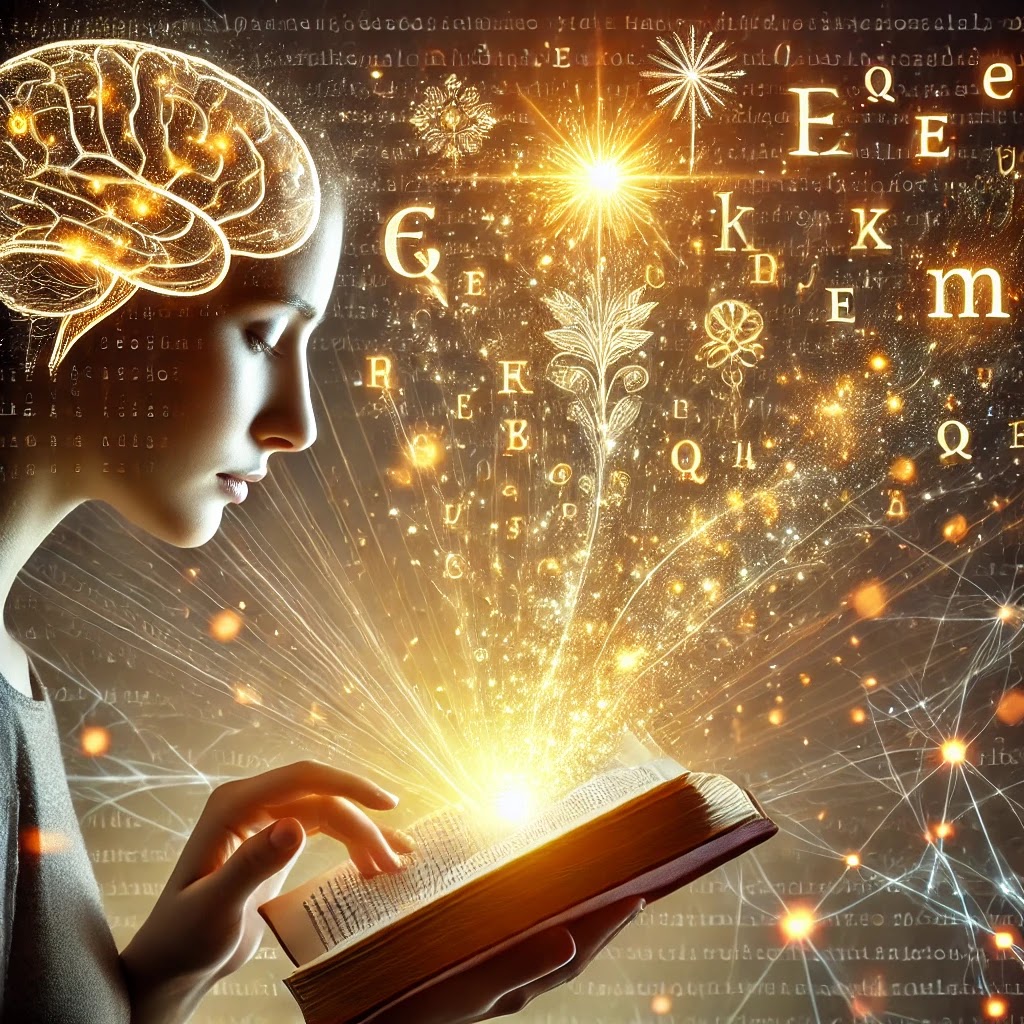
The Impact of Technology on Memory: Helpful or Harmful?

The Impact of Technology on Memory: Helpful or Harmful - Technology has transformed the way we store, access, and process information. While digital tools enhance convenience and efficiency, they also raise concerns about their effects on memory and cognitive function. Does technology help strengthen memory, or does reliance on devices weaken our ability to retain information? Let’s explore both sides of the debate and find ways to use technology wisely to enhance memory.
How Technology Helps Improve Memory
1. Provides Instant Access to Information 📱
Search engines and digital assistants allow quick retrieval of facts, reducing the need to memorize large amounts of data.
Cloud storage and note-taking apps help organize and retrieve important information efficiently.
2. Enhances Learning Through Multimedia 🎧📹
Interactive learning tools, podcasts, and video content engage multiple senses, reinforcing memory retention.
Gamified learning apps like Duolingo and Lumosity improve memory through repetition and active engagement.
3. Supports Memory Organization and Productivity 🗂️
Digital calendars, reminders, and task managers help structure daily activities, preventing forgetfulness.
Mind-mapping software and digital notebooks assist with conceptual learning and memory retention.
4. Facilitates Repetition and Spaced Learning 🔁
Flashcard apps like Anki and Quizlet use spaced repetition techniques to reinforce memory over time.
AI-driven personalized learning adapts to users’ strengths and weaknesses for optimized retention.
5. Encourages Brain Training 🏋️♂️
Cognitive training apps challenge memory, focus, and problem-solving abilities.
VR (Virtual Reality) simulations offer immersive learning experiences that enhance memory recall.
How Technology Can Harm Memory

1. Reduces Mental Effort and Recall 🧠
The "Google Effect" leads to over-reliance on search engines, making us less likely to store information in long-term memory.
Relying on GPS for navigation weakens spatial memory and natural problem-solving skills.
2. Increases Distractions and Reduces Focus 🚨
Constant notifications and multitasking disrupt deep thinking and information processing.
Short-form content (e.g., social media) decreases attention span, making it harder to retain complex information.
3. Weakens Deep Learning and Critical Thinking 📉
Skimming articles and quick scrolling reduce comprehension and the ability to engage in meaningful analysis.
AI-generated summaries and auto-corrections limit personal effort in processing and recalling information.
4. Affects Sleep and Memory Consolidation 😴
Excessive screen time, especially before bed, disrupts sleep quality and impairs memory consolidation.
Blue light exposure reduces melatonin production, affecting cognitive function and recall abilities.
5. Overloads the Brain with Excessive Information 🔄
Information overload can overwhelm working memory, making it difficult to distinguish important details.
Overreliance on digital storage may weaken natural recall and problem-solving skills.
Balancing Technology for Optimal Memory Health
1. Practice Digital Detox 📴
Set boundaries for screen time and incorporate offline activities to give your brain a break.
Designate "tech-free" hours before bedtime to improve sleep quality and memory consolidation.
2. Use Technology to Reinforce, Not Replace, Memory 📝
Take handwritten notes while studying to enhance active recall.
Use memory apps as a supplement, but make an effort to recall information independently.
3. Engage in Active Learning 📖
Instead of passively consuming content, summarize what you learn in your own words.
Discuss new information with others to strengthen neural connections and improve recall.
4. Train Your Brain Without Digital Assistance 🏋️
Practice memorization techniques like the Memory Palace or Mnemonics without digital aids.
Engage in offline problem-solving activities like puzzles, crosswords, and mental calculations.
5. Optimize Screen Use for Productivity ⏳
Use focus apps to minimize distractions while working or studying.
Set reminders for important tasks, but challenge yourself to recall them first before checking your device.
Conclusion
Technology is a double-edged sword when it comes to memory. While it offers powerful tools to enhance learning and recall, over-reliance can weaken natural memory functions and cognitive skills. The key is balance—using technology to support, rather than replace, mental effort. By implementing mindful technology habits, we can enjoy the benefits of digital tools without compromising brain health.
⚠️ Affiliate Disclaimer: This post may contain affiliate links. If you purchase through these links, I may earn a small commission at no extra cost. I only recommend what actually works and has been personally researched or tested.
The Impact of Technology on Memory: Helpful or Harmful — 💬 Do you think technology has helped or hurt your memory overall? What is one tech habit you have changed to protect your ability to remember things naturally?